10 Best Skin Peels for Radiant Skin That Everyone Should Try?
In the quest for flawless skin, many have turned to skin peels for their rejuvenating benefits. According to a recent report by the American Society of Dermatologic Surgery, over 60% of consumers are increasingly interested in these treatments. Skin peels can dramatically enhance skin texture, reduce signs of aging, and improve pigmentation issues. However, not all peels are created equal, and results can vary widely.
The range of skin peels available today includes both chemical and natural options. Each type targets specific skin concerns, from acne scars to sun damage. Industry data indicates that glycolic acid and salicylic acid peels have gained popularity in recent years. While these treatments can deliver remarkable results, they also require a cautious approach. Overuse or incorrect application can lead to irritation and uneven skin tone.
Choosing the right skin peel involves understanding your skin type and concerns. Consulting with a skincare professional ensures tailored solutions. It also helps to navigate the myriad of products on the market. Many users report mixed experiences, highlighting the need for research before trying a new product. Emphasizing knowledge and safety can ultimately lead to achieving that coveted radiant skin.

Overview of Skin Peels: A Key to Enhanced Skin Radiance
Skin peels are a popular treatment for enhancing skin radiance. They work by exfoliating the top layers of skin. This process helps to improve texture and tone significantly. According to the American Society for Aesthetic Plastic Surgery, the use of chemical peels has grown by 12% in recent years. This shows people's increasing interest in achieving vibrant skin.
Different types of skin peels exist, each catering to unique skin needs. For example, alpha hydroxy acids (AHAs) target surface irregularities. Glycolic acid is an effective AHA, known for its ability to reduce fine lines and improve skin clarity. A study published in the Journal of Clinical and Aesthetic Dermatology highlighted that 63% of participants reported improved skin texture after three sessions of glycolic acid peels.
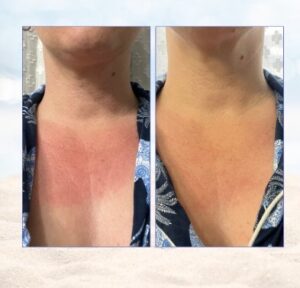
Despite the advantages, skin peels do carry risks. Redness and peeling are common side effects that can last several days. Not all skin types respond positively. Sensitive skin may become irritated, leading to potential discoloration. It's crucial to consult a skincare professional to determine the most appropriate peel for your needs. Tailoring the treatment is essential for achieving the desired outcome without complications.
Types of Skin Peels: Chemical, Physical, and Natural Options
Skin peels have gained popularity as skin rejuvenation treatments. They come in three main types: chemical, physical, and natural options. Each type offers unique benefits and drawbacks. According to a report by the American Society of Plastic Surgeons, chemical peels are the most commonly performed cosmetic procedures, with over 1.3 million treatments in 2020 alone.
Chemical peels use acids to remove the outer layers of skin. They can improve texture, reduce fine lines, and enhance overall skin tone. Salicylic acid and glycolic acid are heavily utilized in various formulas. However, they may cause irritation and redness. Patients should consult with dermatologists to determine the best options based on individual skin types. Not everyone reacts the same way, and sensitivity can lead to prolonged healing times.
Physical peels, like microdermabrasion, exfoliate the skin's surface through mechanical means. Reports show that many individuals enjoy immediate texture improvement. Yet, the effects might be short-lived without regular maintenance. Natural peels often include ingredients like honey and yogurt. They are gentler, but their efficacy can vary greatly. While natural options appeal to many, they may not deliver dramatic results for all skin concerns. Understanding these differences is vital for achieving desired outcomes.
Key Ingredients in Effective Skin Peels: AHAs, BHAs, and Enzymes
Chemical peels have gained popularity for their ability to enhance skin texture and tone. The effectiveness of these products largely depends on their active ingredients. Key components like alpha hydroxy acids (AHAs), beta hydroxy acids (BHAs), and enzymes play a crucial role in achieving radiant skin.
AHAs, such as glycolic acid, exfoliate the outer layer of skin, promoting cell turnover. Studies show that AHAs can improve skin texture by 10-20% after consistent usage. BHAs, like salicylic acid, penetrate deeper to unclog pores. They are particularly effective for acne-prone skin. Research indicates that BHAs can reduce acne lesions by up to 50% within a month. Enzymes, derived from fruits, provide a gentler exfoliation method. They digest dead skin cells, making them suitable for sensitive skin types.
Despite the benefits, it's important to approach chemical peels with care. Overuse can lead to irritation or skin barrier damage. Not all skin types react the same way, and patch tests are advised. Knowledge of individual skin needs is crucial for achieving optimal results. Evaluating ingredients and understanding their effects can lead to more informed choices in skin care. Always consult with a skincare professional before starting any treatment.
10 Best Skin Peels for Radiant Skin
| Skin Peel Type |
Key Ingredients |
Benefits |
Skin Type |
Frequency of Use |
| Glycolic Acid Peel |
AHA |
Exfoliates dead skin, boosts collagen |
Dry, Oily, Combination |
Every 2-4 weeks |
| Salicylic Acid Peel |
BHA |
Removes excess oils, unclogs pores |
Oily, Acne-prone |
Every 4-6 weeks |
| Lactic Acid Peel |
AHA |
Hydrates, brightens skin |
All Skin Types |
Every 4-6 weeks |
| Mandelic Acid Peel |
AHA |
Gentle exfoliation, suited for sensitive skin |
Sensitive, Dry |
Every 4-8 weeks |
| TCA Peel |
Trichloroacetic Acid |
Deep exfoliation, improves wrinkles |
All Skin Types |
Every 6-12 months |
| Jessner's Peel |
Lactic Acid, Salicylic Acid, Resorcinol |
Combats acne, reduces hyperpigmentation |
Oily, Acne-prone |
Every 6-12 months |
| Enzyme Peel |
Papaya, Pineapple Enzymes |
Gentle exfoliation, brightens skin |
Sensitive, All Skin Types |
Monthly |
| Retinoic Acid Peel |
Retinol |
Improves texture, reduces fine lines |
All Skin Types |
Every 6-12 months |
| Phenol Peel |
Phenol |
Deep skin rejuvenation |
Sun-damaged, Wrinkled |
Every few years |
Effectiveness of Skin Peels: Evidence from Clinical Studies and Trials
Skin peels are a popular choice for improving skin appearance. Research shows they can enhance skin texture and tone. A study published in the Journal of Cosmetic Dermatology found that chemical peels reduce fine lines by 30% after just one treatment. Patients report more radiant skin post-procedure. Yet, outcomes often depend on skin type and peel depth.
Not all skin peels bring the same results. A clinical trial highlighted that while superficial peels provide quick recovery, medium-depth peels often result in better long-term improvements. Over 40% of participants in the trial experienced side effects, like redness or peeling. These factors must be considered when choosing a treatment plan. Understanding the science helps patients make informed choices.
Moreover, the effectiveness of skin peels can vary among individuals. Some may have adverse reactions to specific ingredients. A retrospective study indicated that around 15% of users discontinued peels due to dissatisfaction or irritation. This highlights the importance of consulting a qualified dermatologist. Personalization in treatment can lead to better outcomes and satisfaction with results.
Safety and Aftercare: Best Practices Post-Skin Peel Treatments
Post-skin peel treatments require careful attention to ensure optimal results. After undergoing a skin peel, your skin may be sensitive, and understanding proper aftercare is crucial. According to the American Society of Plastic Surgeons, following a peel, the skin often experiences redness, peeling, and dryness. These effects typically last a few days but can vary depending on the peel's depth.
Applying a gentle moisturizer regularly is essential. Look for products that are fragrance-free and designed for sensitive skin. Avoid hot showers and harsh scrubs during the initial healing phase to promote recovery. Wearing sunscreen daily cannot be overstated, as newly exposed skin is more susceptible to UV damage. The Skin Cancer Foundation recommends an SPF of at least 30.
Tips for aftercare: Stay hydrated by drinking plenty of water. This helps your skin heal from within. Avoid picking at peeling skin, as this can lead to scarring or infection. Consider using a humidifier at night to keep skin hydrated. Remember that skin peel results may take time to manifest fully, and patience is key. Reevaluate your skincare routine if irritation persists; sometimes, less is more.
 3606 E. Chapman Ave, Orange, CA 92869
 Contact us: 714-743-4914