What is a chemical peel facial and how does it work?
The beauty industry is evolving rapidly, with treatments like the chemical peel facial gaining popularity. According to a recent report by the American Society of Plastic Surgeons, chemical peels have seen a steady increase in demand, with thousands being performed annually. This non-invasive procedure removes dead skin cells, promoting new cell growth and improving skin texture.
However, the process is not without its challenges. While many enjoy the benefits, some experience redness or peeling after treatment. A study found that nearly 30% of clients reported discomfort during recovery. This raises important questions about patient expectations and proper aftercare.
The chemical peel facial can effectively address issues like acne, fine lines, and uneven pigmentation. Yet, results can vary based on skin type and the depth of the peel. Each individual's journey through this treatment can be different, sometimes leading to moments of reflection on personal skincare needs and goals.
What is a Chemical Peel Facial?
A chemical peel facial is a popular skincare treatment. It uses a solution to exfoliate the skin. This process helps remove dead skin cells. The result is brighter and younger-looking skin. Different types of peels exist. Some are gentle, while others are more intense.
During a chemical peel, the skin may feel tight or slightly uncomfortable. Some redness can occur afterward. It's essential to choose the right type of peel for your skin. If you have sensitive skin, a mild peel might be best. Recovery time varies. Deeper peels may require more time to heal.
Chemical peels can improve skin tone and texture. They might also reduce the appearance of fine lines. However, results can be mixed. Some individuals notice significant changes, while others may not. Everyone's skin reacts differently. Consulting with a skincare professional is wise. They can help determine if a chemical peel suits you.
Types of Chemical Peels and Their Uses
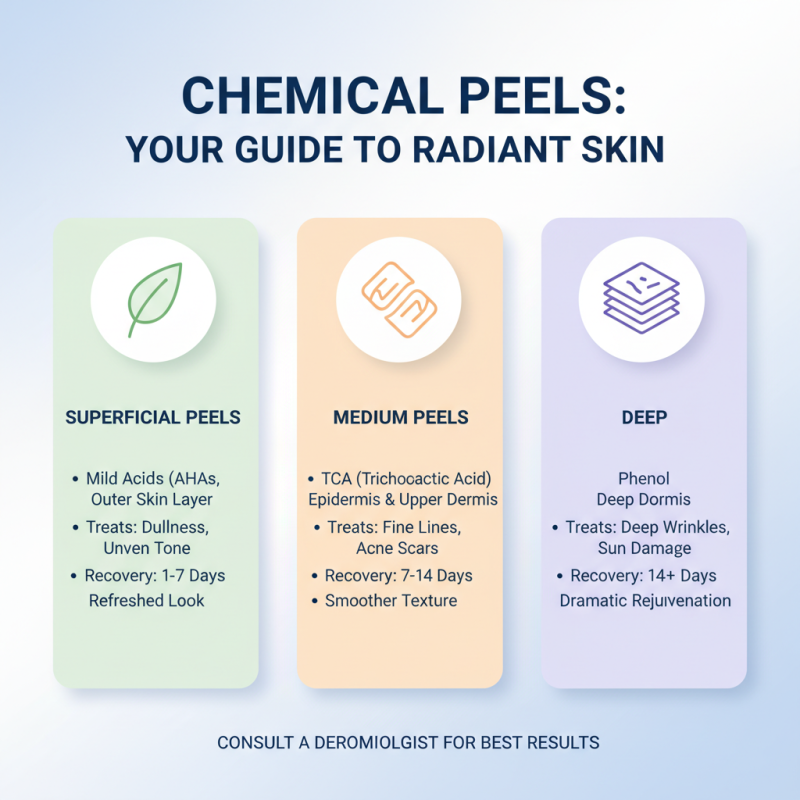
Chemical peels are a popular skincare treatment that helps improve skin texture and appearance. They come in different types, each serving varied purposes. The most common types include superficial, medium, and deep peels. Superficial peels use mild acids to exfoliate the outer layer of the skin. These peels are great for minor issues like dullness and uneven tone.
Medium peels reach deeper layers and address more pronounced issues, like wrinkles and sun damage. They often involve glycolic or trichloroacetic acid. Deep peels are the strongest, targeting severe scars or deep wrinkles. This type requires more recovery time, so it’s essential to plan accordingly.
When considering a chemical peel, assess your skin type and concerns. Always consult with a professional to choose the best option for you. Aftercare is crucial; protect your skin from sun exposure and keep it hydrated. It's normal to experience some redness or peeling. However, if discomfort persists, seek advice. Remember, every peel may not yield perfect results. It’s okay to reflect on the outcomes and adjust your skincare routine as needed.
The Process of a Chemical Peel Facial
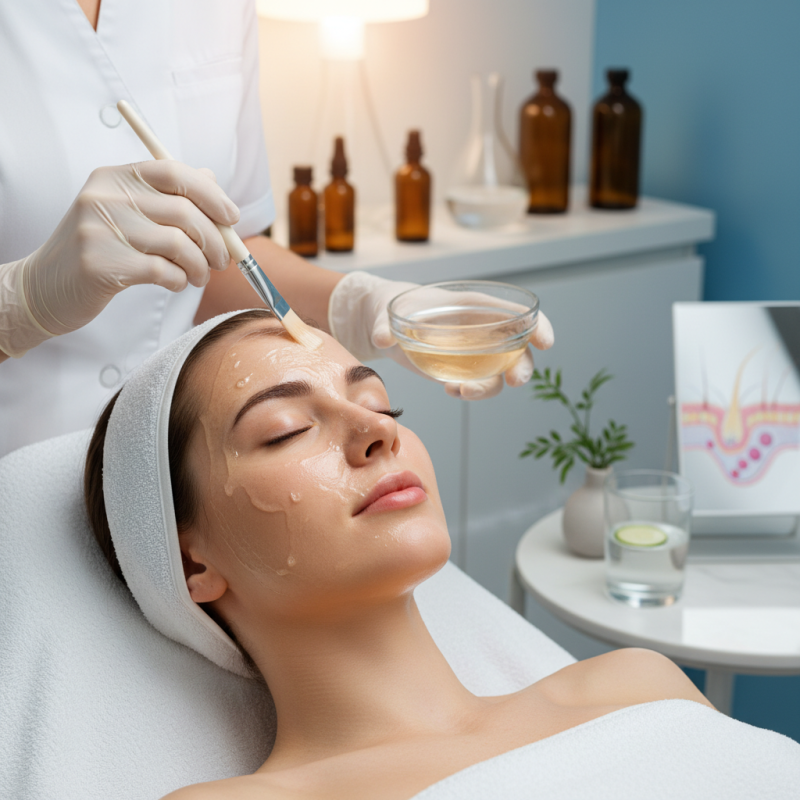
A chemical peel facial is an effective cosmetic treatment. It involves applying a chemical solution to the skin. This solution exfoliates the outer layers, revealing smoother skin underneath. The process starts with a consultation to assess skin type. A trained professional discusses the expected outcomes. This ensures that the treatment aligns with individual skin needs.
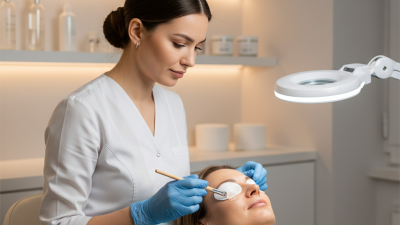
During the procedure, the skin is cleansed thoroughly. The chemical solution is then applied carefully. Depending on the type of peel, the solution penetrates different skin depths. Patients may feel a tingling sensation, which is normal. After a set time, the solution is neutralized. This is followed by soothing products to calm the skin. Some redness or peeling may occur, which will fade over time.
Post-treatment care is crucial. Patients often need to avoid direct sun exposure. Hydration is essential to support healing. It is important to adhere to any aftercare instructions provided. Reflecting on personal skin concerns can help in understanding the benefits of this treatment. Chemical peels are not a one-size-fits-all solution, so individual experiences may vary.
Benefits of Chemical Peels for Skin Health
Chemical peels are a popular facial treatment. They work by applying a solution to the skin that exfoliates the outer layers. This process helps to reveal smoother and brighter skin underneath.
One of the main benefits of chemical peels is their ability to improve skin texture. They can minimize fine lines, sun damage, and uneven pigmentation. This makes the skin appear more youthful and healthy. Many people notice a significant difference after just one treatment. Regular sessions can enhance these effects over time.
Tips to consider: Always consult with a professional before undergoing a chemical peel. Skin type and concerns vary; customization is key. Aftercare is crucial; follow the advice given to maintain results.
Another benefit is acne reduction. Chemical peels can unclog pores and reduce breakouts. They also have anti-inflammatory properties, which help soothe angry skin. However, not everyone may experience the same results. Some may feel redness or irritation after treatment. It’s important to manage expectations and be patient with the healing process.
Benefits of Chemical Peels for Skin Health
Potential Risks and Aftercare for Chemical Peels
Chemical peels can offer rejuvenation, but they come with potential risks. According to a report by the American Society of Plastic Surgeons, complications can arise in about 5-10% of cases. Common side effects include redness, swelling, and peeling. More severe reactions may involve scarring or changes in skin pigmentation. Individuals with darker skin tones face a higher risk of hyperpigmentation after a peel.
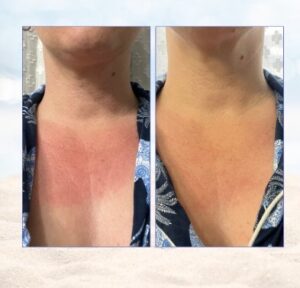
Aftercare is crucial for optimal recovery. After a chemical peel, patients often need to avoid sun exposure. Wearing sunscreen daily is essential. The skin may feel sensitive and sunburned for several days. Hydration can help alleviate discomfort. Moisturizers with soothing ingredients, like aloe vera, can aid recovery. Some patients might find it difficult to resist picking at peeling skin, which can lead to infections.
The entire peeling process can vary from days to weeks. It's important to monitor your skin and communicate with your practitioner. Patience is necessary as results will develop gradually. Reflecting on this journey can allow for better skin choices in the future. Understanding the balance of risks versus the potential benefits is vital for anyone considering a chemical peel.
What is a chemical peel facial and how does it work? - Potential Risks and Aftercare for Chemical Peels
| Aspect |
Description |
| Definition |
A chemical peel facial is a skincare treatment that uses chemical solutions to exfoliate the outer layers of the skin. |
| Types of Peels |
Superficial, medium, and deep peels based on the depth of exfoliation. |
| Common Ingredients |
Glycolic acid, salicylic acid, trichloroacetic acid (TCA), phenol. |
| How It Works |
The solution is applied to the skin, causing it to exfoliate and eventually peel off, revealing new, healthier skin underneath. |
| Benefits |
Improves skin texture, reduces fine lines, treats sun damage, enhances overall skin tone. |
| Potential Risks |
Redness, irritation, swelling, scarring, infection, and pigmentation changes. |
| Aftercare |
Moisturize, avoid sun exposure, use gentle cleansers, and follow post-treatment instructions from a specialist. |
 3606 E. Chapman Ave, Orange, CA 92869
 Contact us: 714-743-4914